Destinations

The 24 places we visit on our tour, city by city.

Tashkent

Hazrati Imam Complex © Bgag, CC0
Ziyarat

1. Hazrati Imam Complex

Hazrati Imom majmuasi

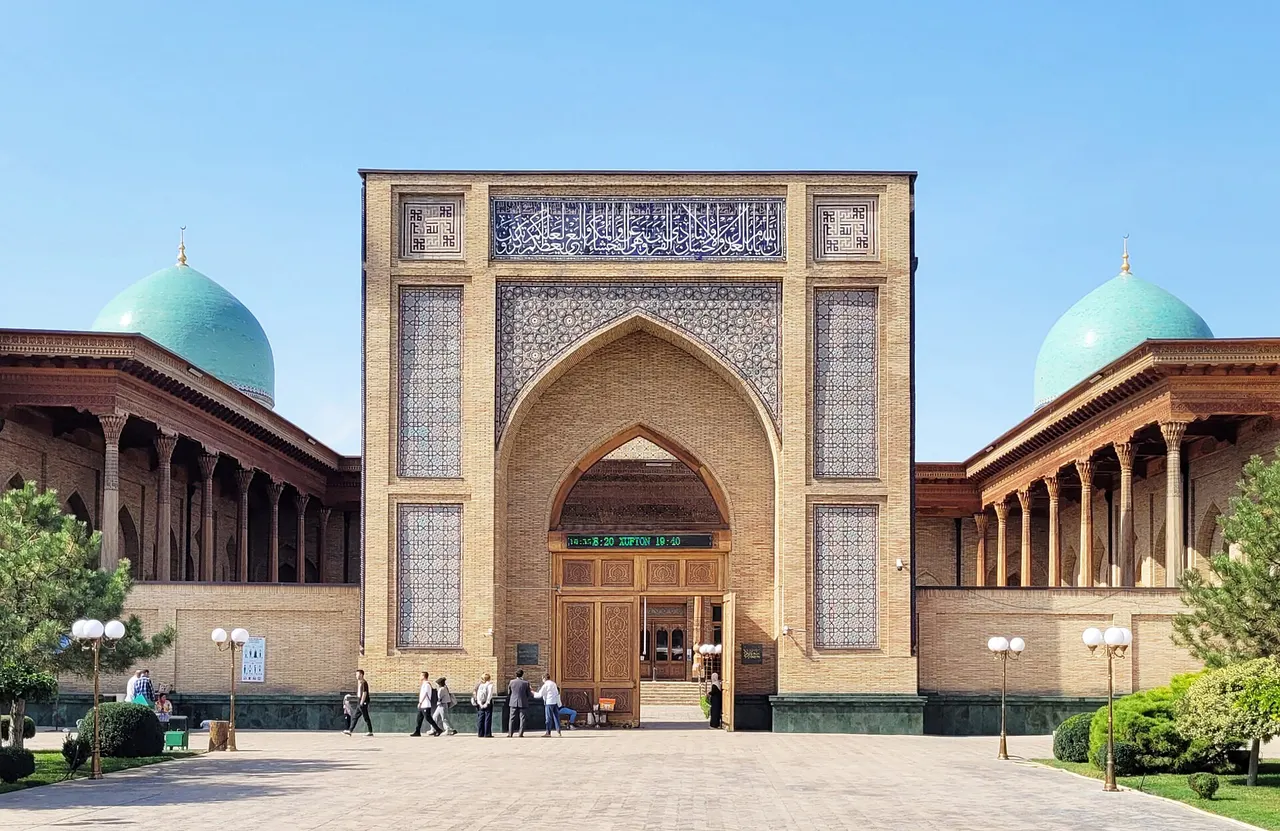
The religious and historic heart of Tashkent and the official centre of Islam in Uzbekistan, in the Old City. It is world-famous for housing the Uthman Quran (Mushaf of Othman), dating back to the 7th century and considered the oldest surviving written Quran in the world. The complex includes the 16th-century Barak-Khan Madrasah, the Kaffal Shashi Mausoleum and the twin-minaret Hazrati Imam Mosque, built in 2007.
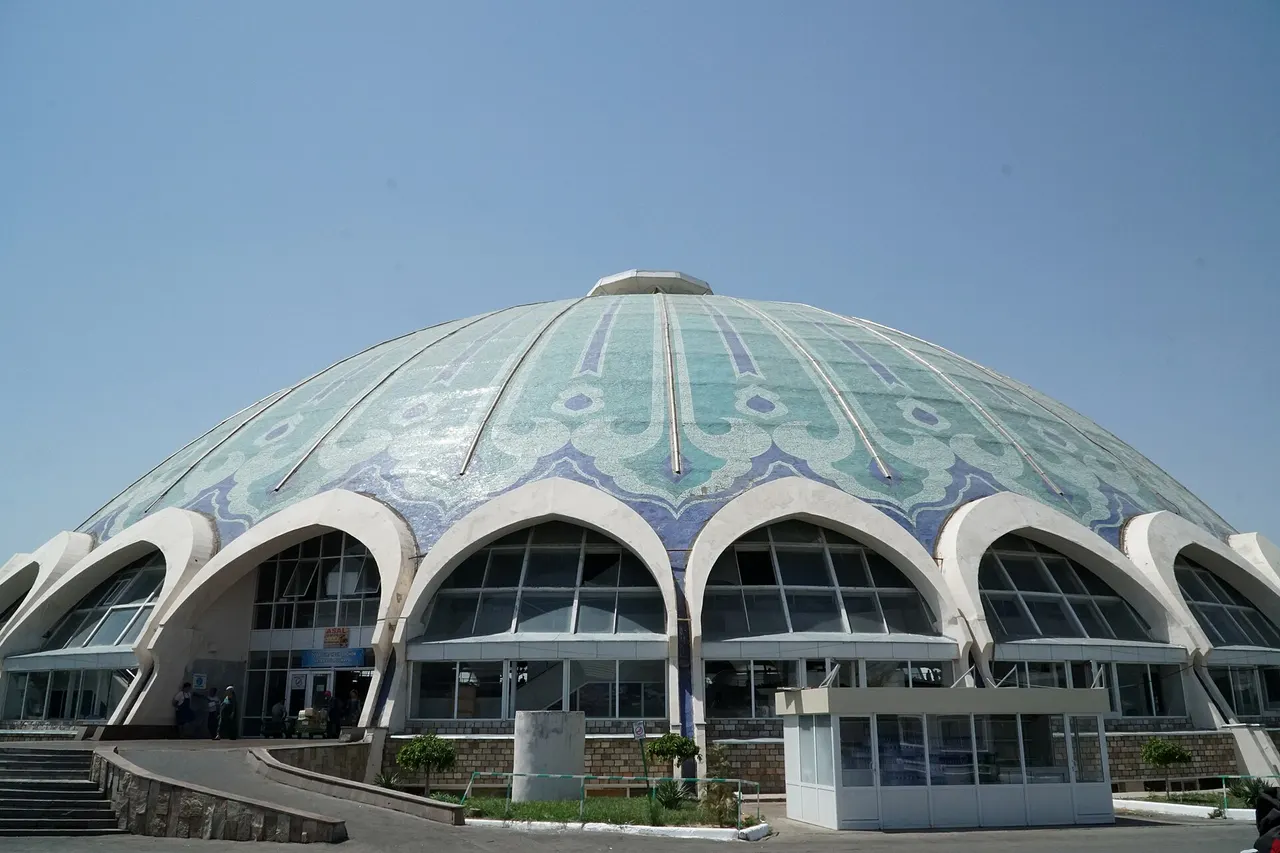
Chorsu Bazaar © Adam Harangozó, CC BY-SA 4.0

2. Chorsu Bazaar

One of the oldest and largest traditional markets in Central Asia, easy to recognise by its giant blue dome. Fresh fruit, spices, nuts, traditional crafts and textiles, plus an open-air food street with pilaf, shashlik and freshly baked somsa.

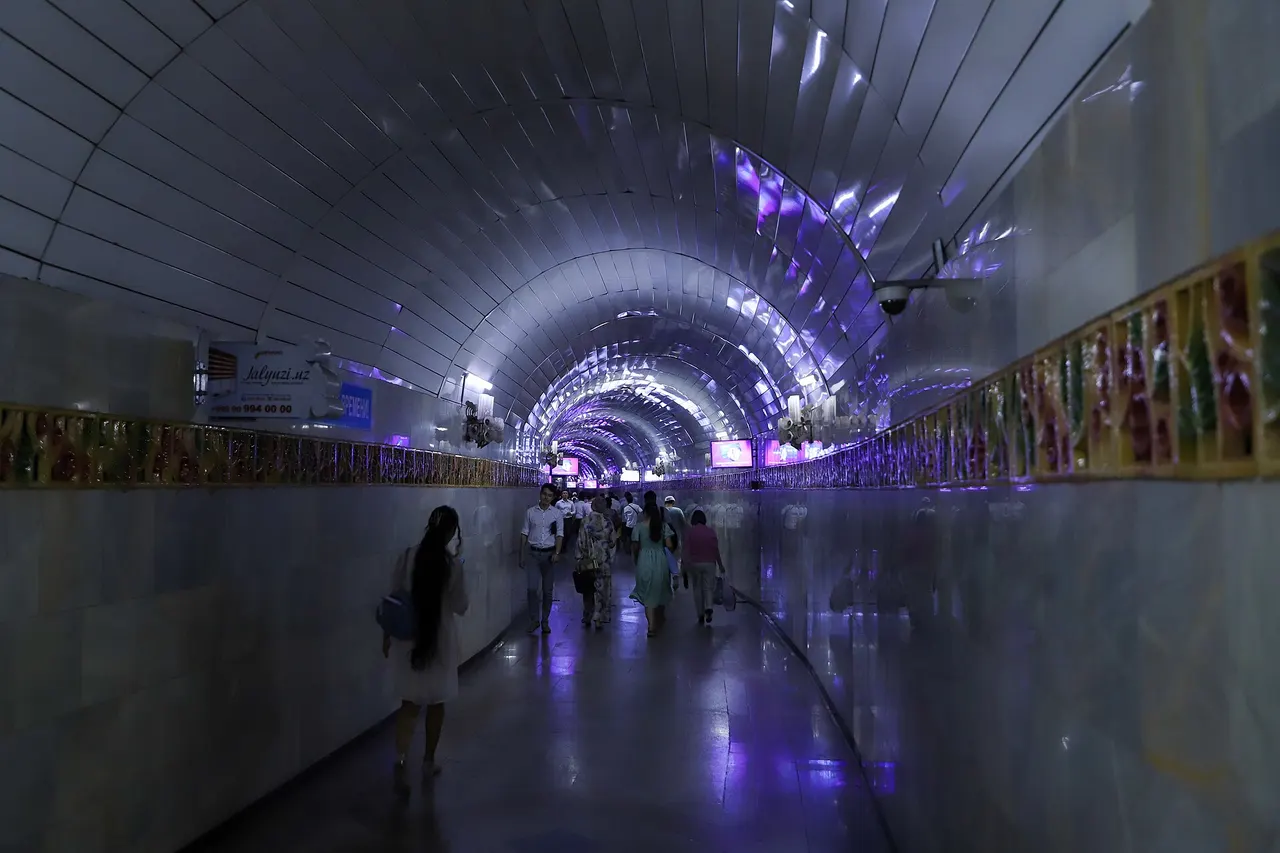
Tashkent Metro Stations © Ayqironlik, CC BY-SA 4.0

3. Tashkent Metro Stations

Central Asia's first subway system, famous as an underground museum and an architectural masterpiece.

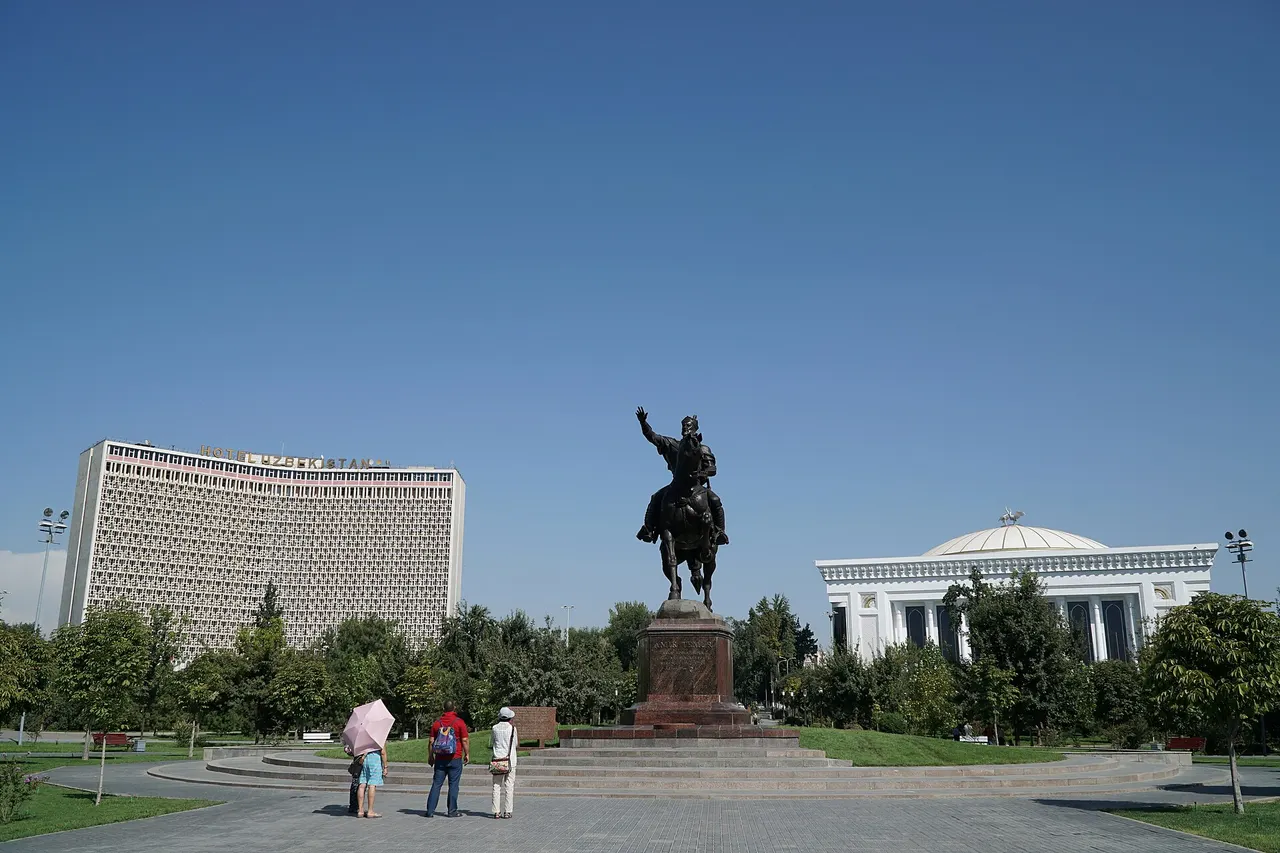
Amir Temur Square & Independence Square © Adam Harangozó, CC BY-SA 4.0

4. Amir Temur Square & Independence Square

Amir Temur Square is the heart of modern Tashkent, centred on a monument of Amir Temur on horseback. Independence Square (Mustaqillik Maydoni) is the main state square of Uzbekistan.

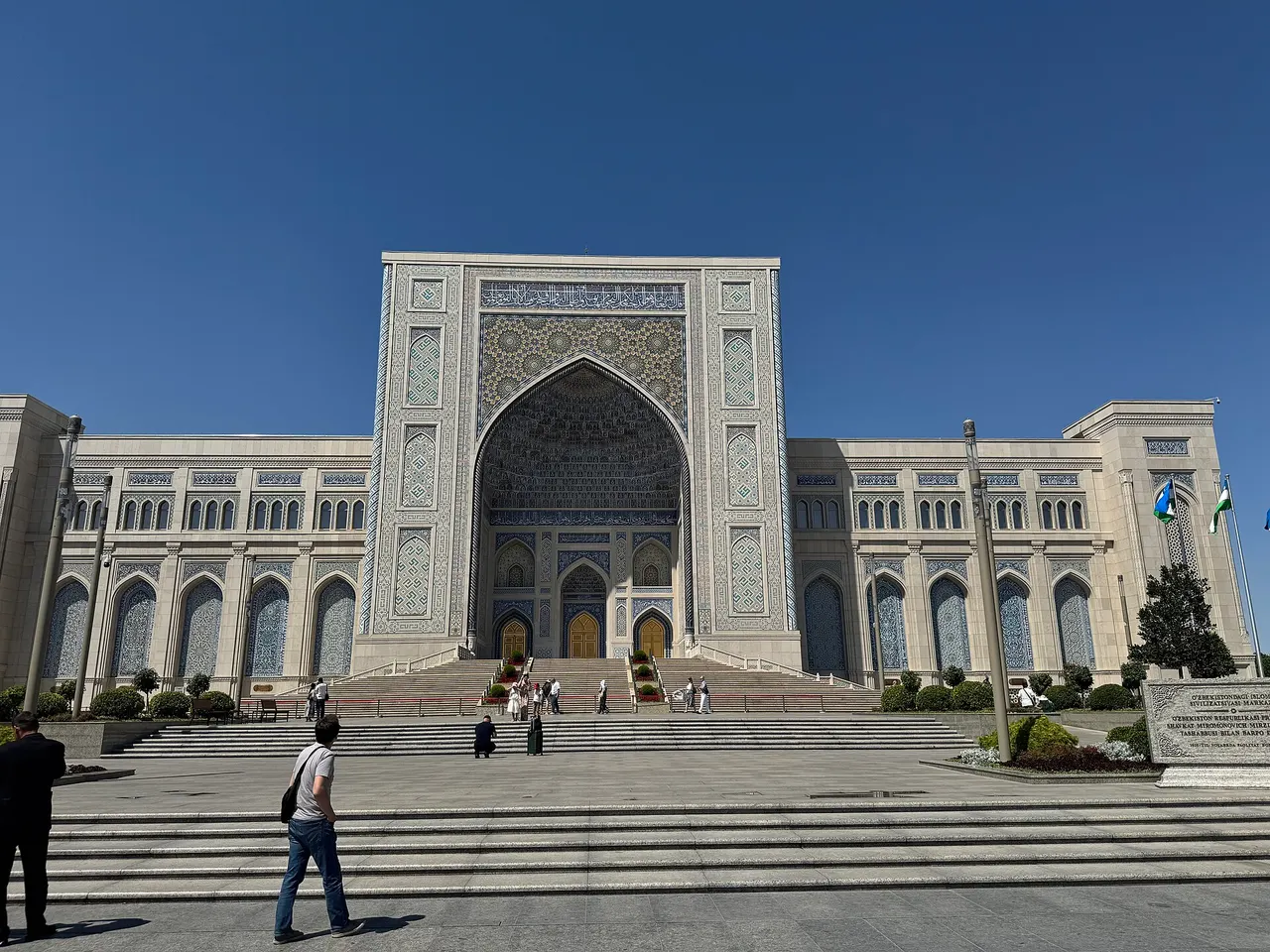
Islamic Civilization Center © Зинҳор Насрӣ, CC BY-SA 4.0
Ziyarat

5. Islamic Civilization Center

Islom sivilizatsiyasi markazi

A new landmark next to the Hazrati Imam Complex that highlights the nation's spiritual and scientific heritage, with one of the world's largest Islamic libraries and exhibition halls under a massive dome.

Samarkand

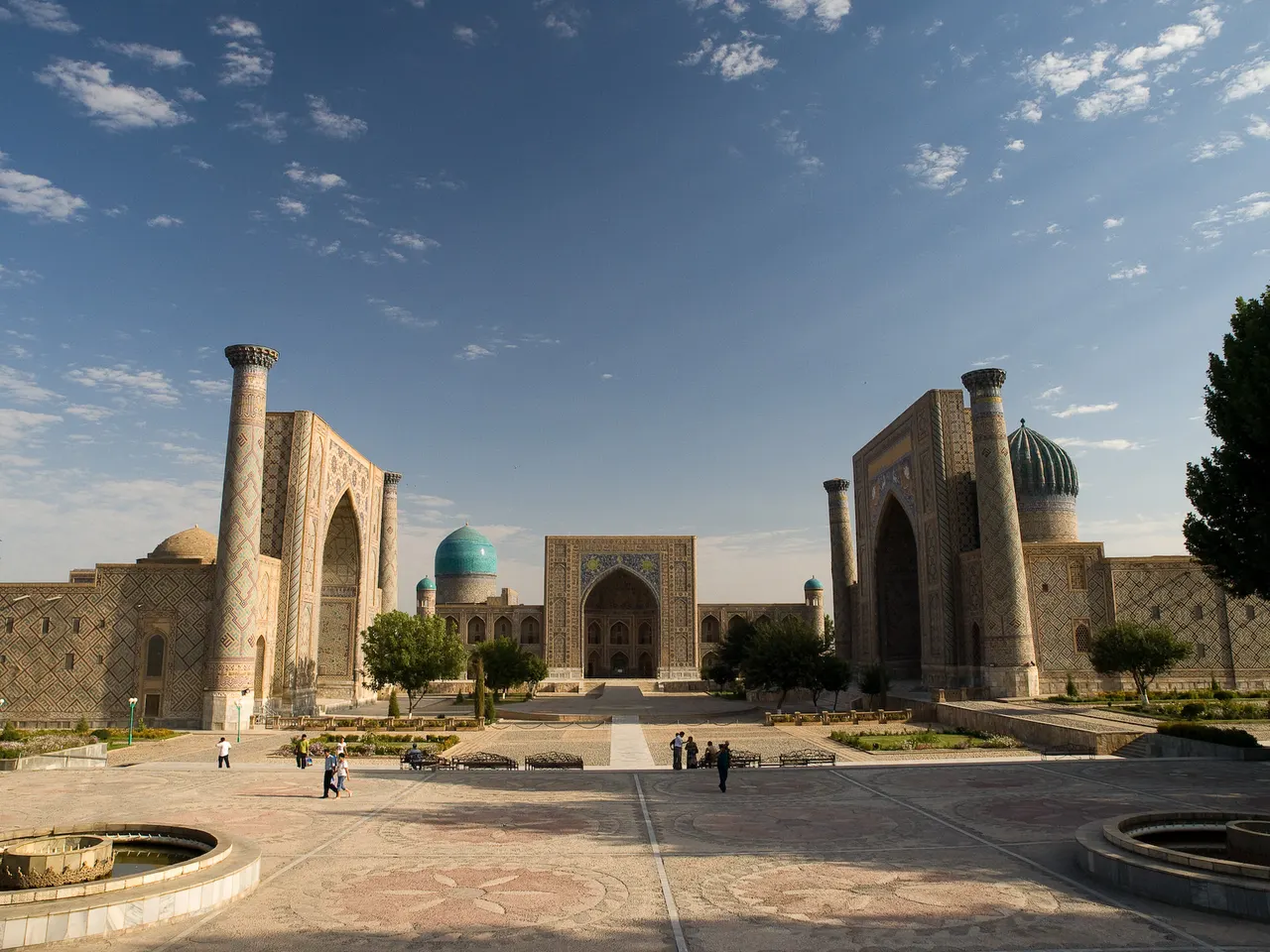
6. Registan Square

The heart of ancient Samarkand and a UNESCO World Heritage site: three grand madrasahs — Ulugh Beg, Sher-Dor and Tilla-Kori — built between the 15th and 17th centuries, with towering minarets, azure domes and mosaic façades.

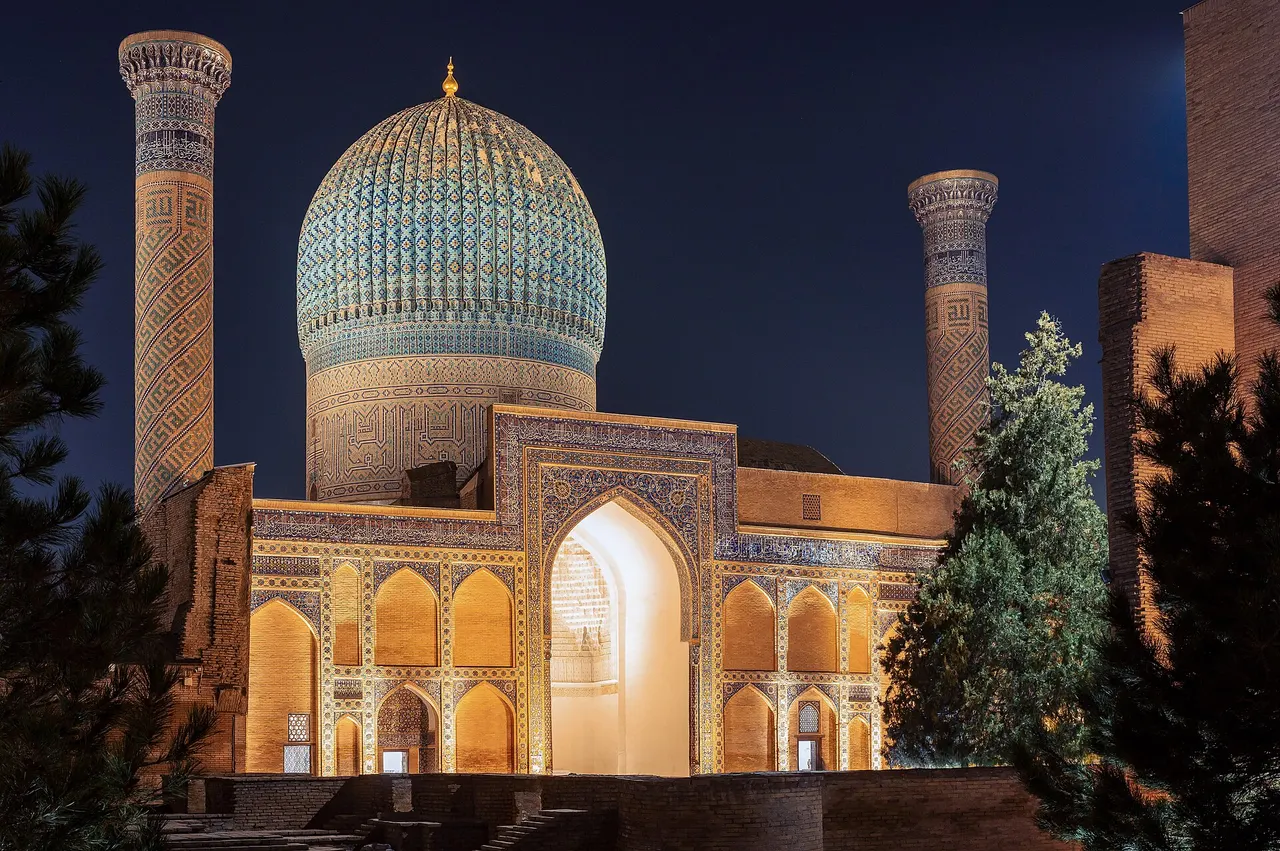
Gur-e-Amir Mausoleum © Arina Pan, CC BY-SA 4.0

7. Gur-e-Amir Mausoleum

The mausoleum of Amir Temur (Tamerlane) and his descendants, built in the 14th–15th centuries. It is famous for its ribbed azure dome and an interior decorated with gold leaf and jade tombstones.

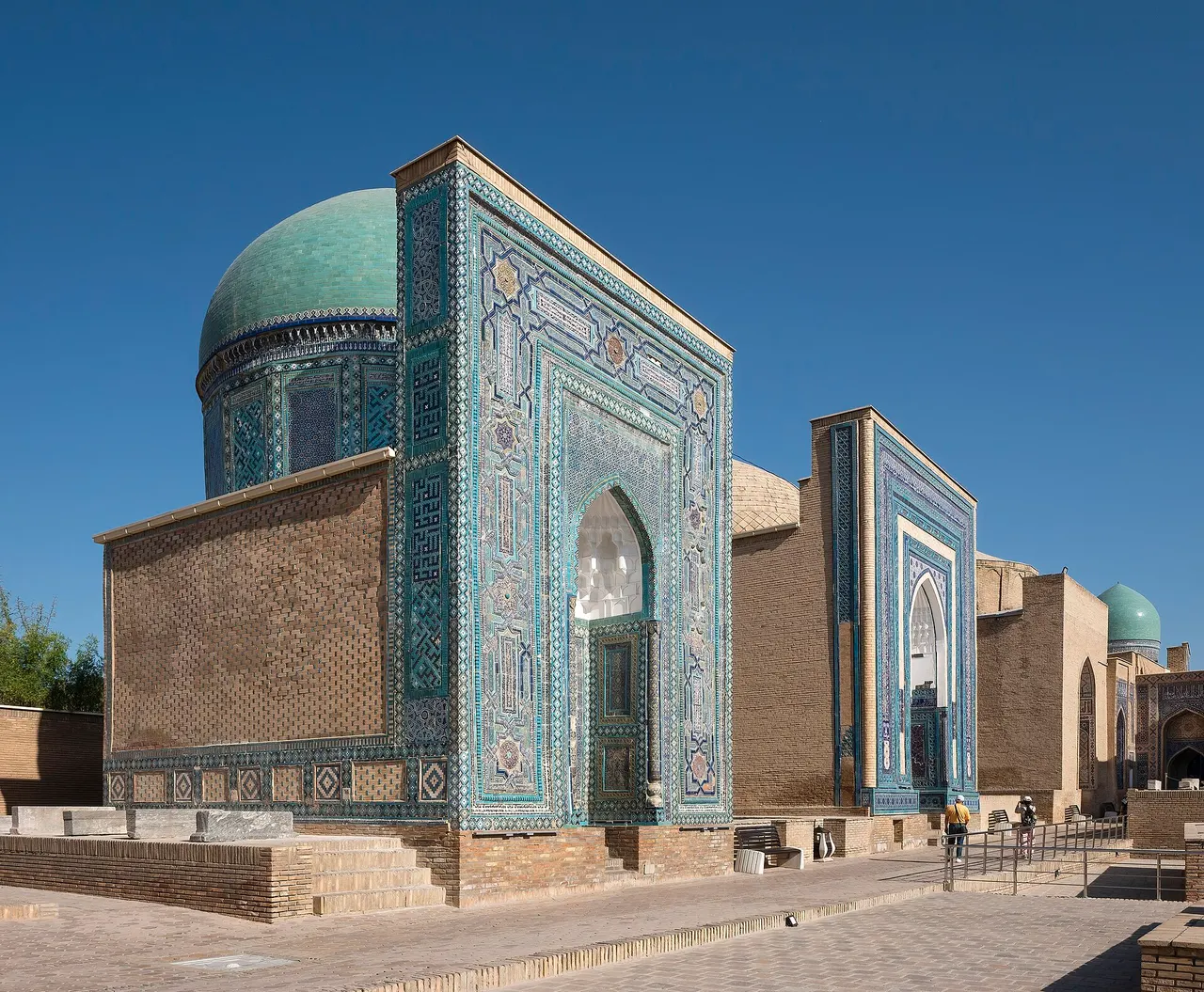
Shah-i-Zinda Ensemble © Petar Milošević, CC BY-SA 4.0
Ziyarat

8. Shah-i-Zinda Ensemble

A medieval necropolis with a narrow avenue of blue-tiled mausoleums (11th–15th centuries). A sacred place of ziyarat holding the tomb of Qusam ibn Abbas, a cousin of the Prophet Muhammad ﷺ, as well as tombs of Amir Temur's family.

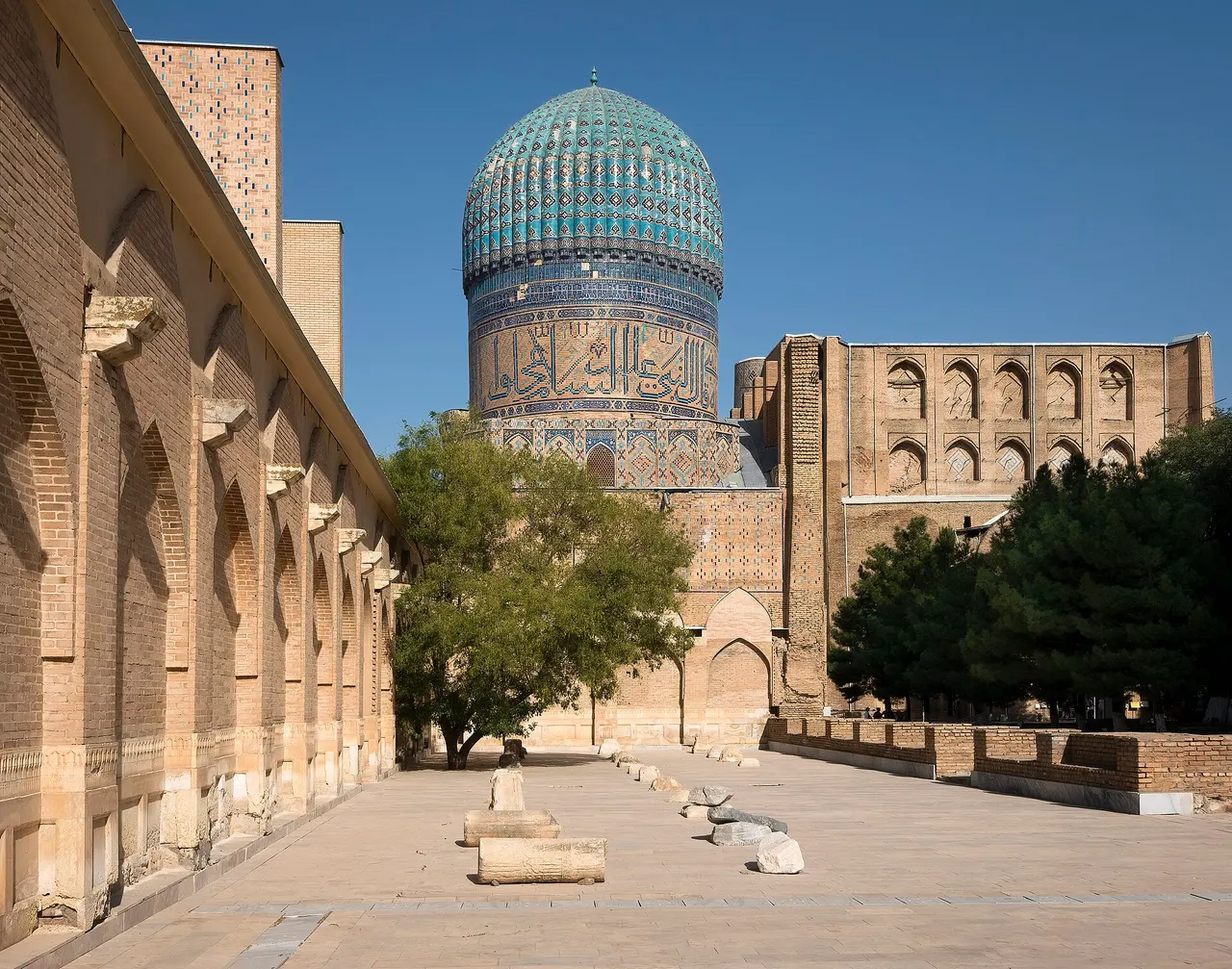
Bibi-Khanym Mosque & Siab Bazaar © Petar Milošević, CC BY-SA 4.0
Ziyarat Mosque

9. Bibi-Khanym Mosque & Siab Bazaar

One of the largest historic mosques of the Islamic world, built by Amir Temur in the early 15th century. Next to it, Siab Bazaar is Samarkand's oldest and largest market: spices, dried fruit, nuts and textiles.

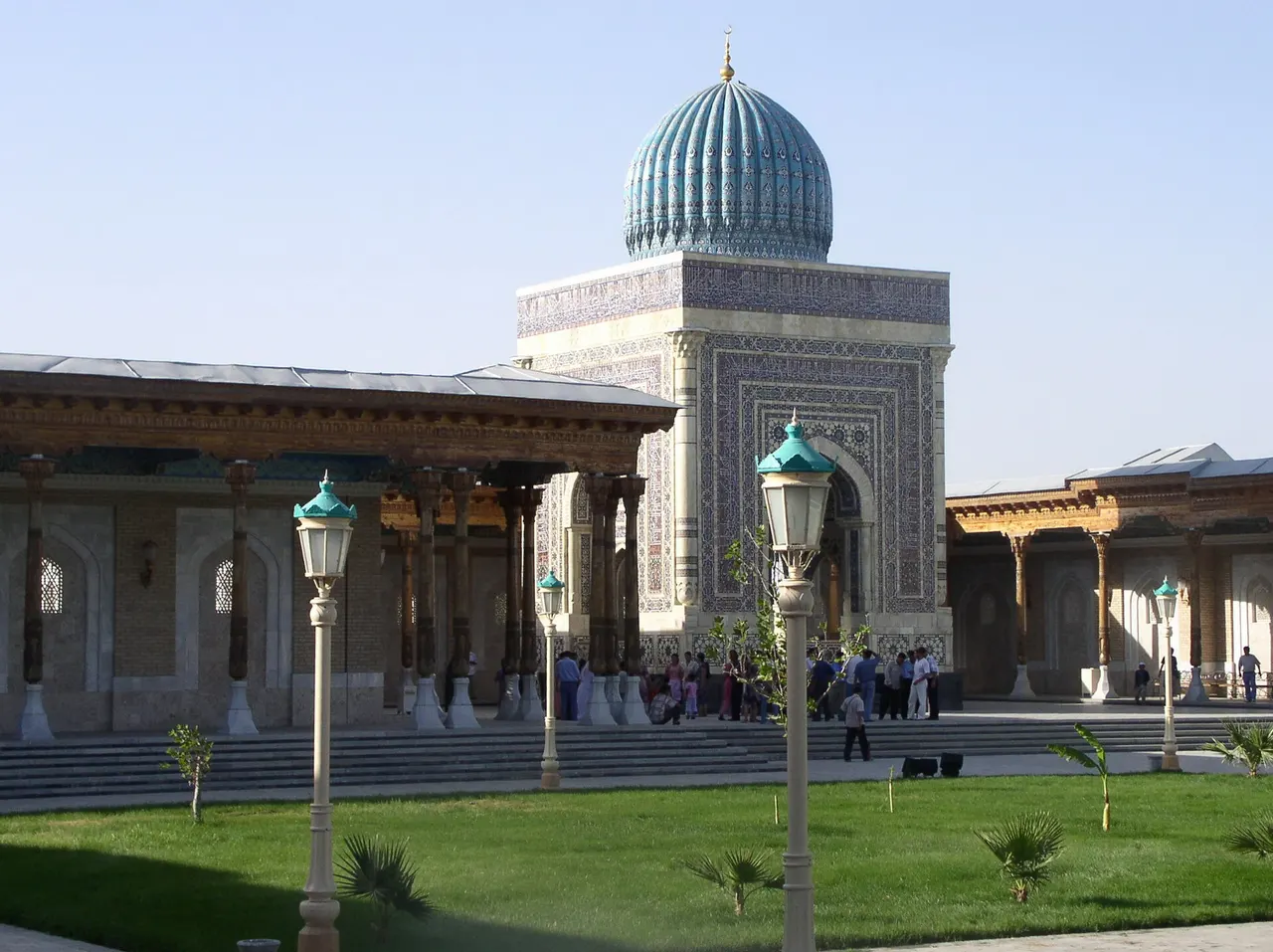
Imam Al-Bukhari Complex Museum © Alaexis, CC BY-SA 3.0
Ziyarat

10. Imam Al-Bukhari Complex Museum

Imom Buxoriy majmuasi

A modern multi-pavilion museum inside the reconstructed memorial complex, dedicated to the life and legacy of Imam Al-Bukhari, blending Islamic design with interactive displays.

Bukhara and on the way

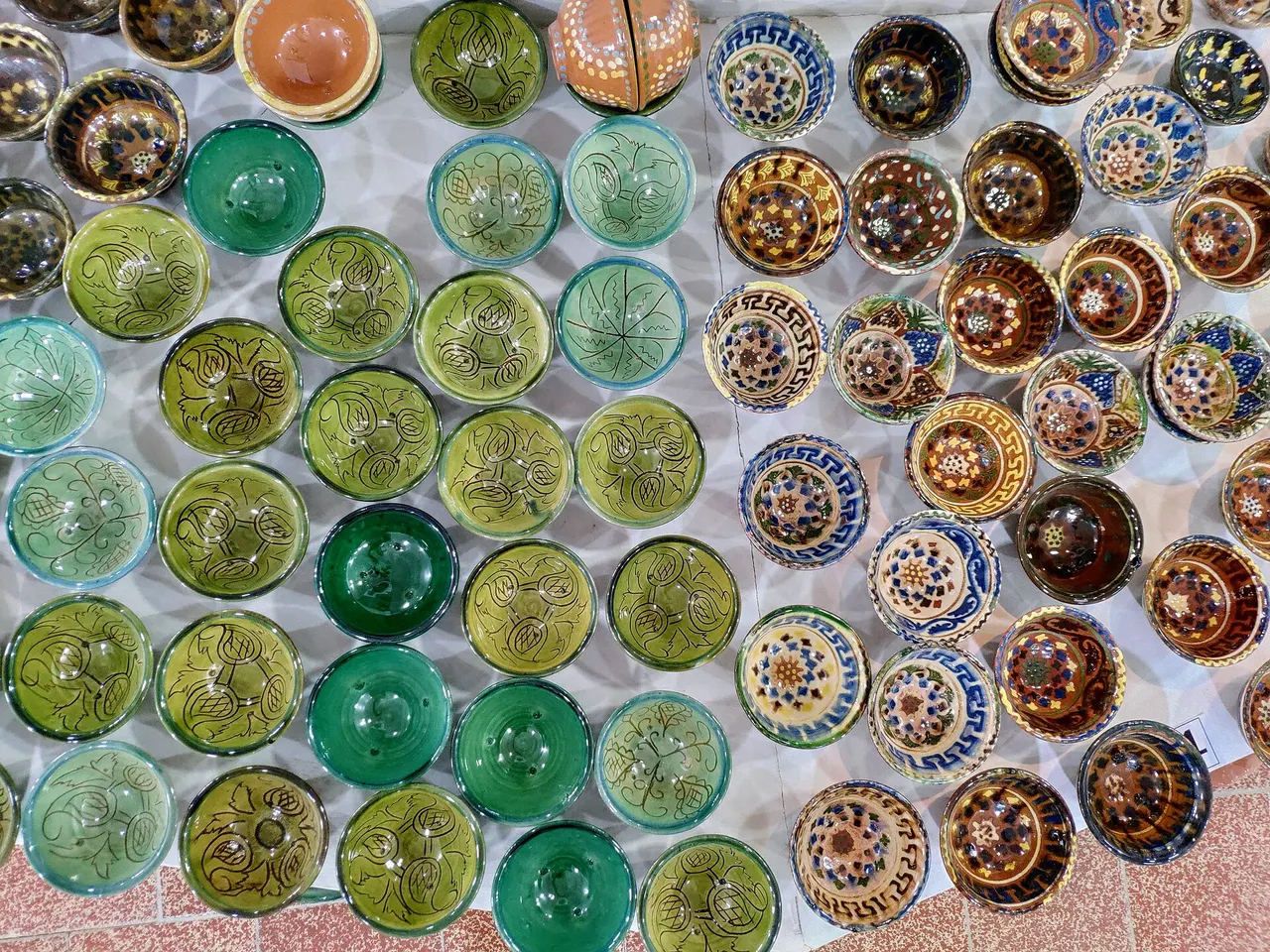
Gijduvan Pottery Workshop © Ekaterina Kvelidze, CC BY-SA 4.0

11. Gijduvan Pottery Workshop

G'ijduvon

Renowned worldwide for its ancient traditions, natural techniques and warm colour palette. About 40 km from Bukhara, the craft has been preserved for centuries by a single famous dynasty.

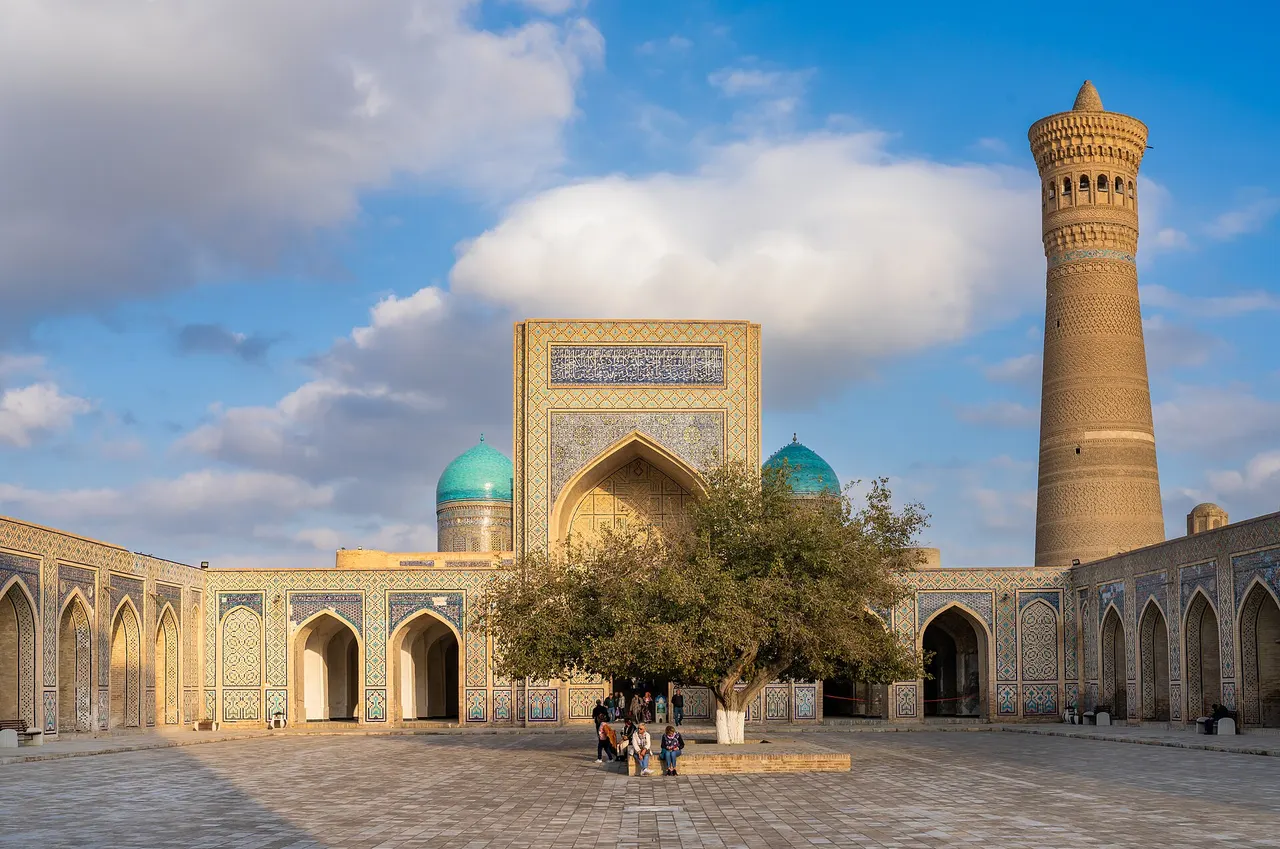
Poi Kalyan Complex © Maksimsokolov, CC BY-SA 4.0
Ziyarat Mosque

12. Poi Kalyan Complex

The iconic heart of Bukhara and a UNESCO site: the Kalyan Minaret (1127, 46.5 m), the Kalyan Mosque, which holds 12,000 worshippers, and the active Mir-i-Arab Madrasah.

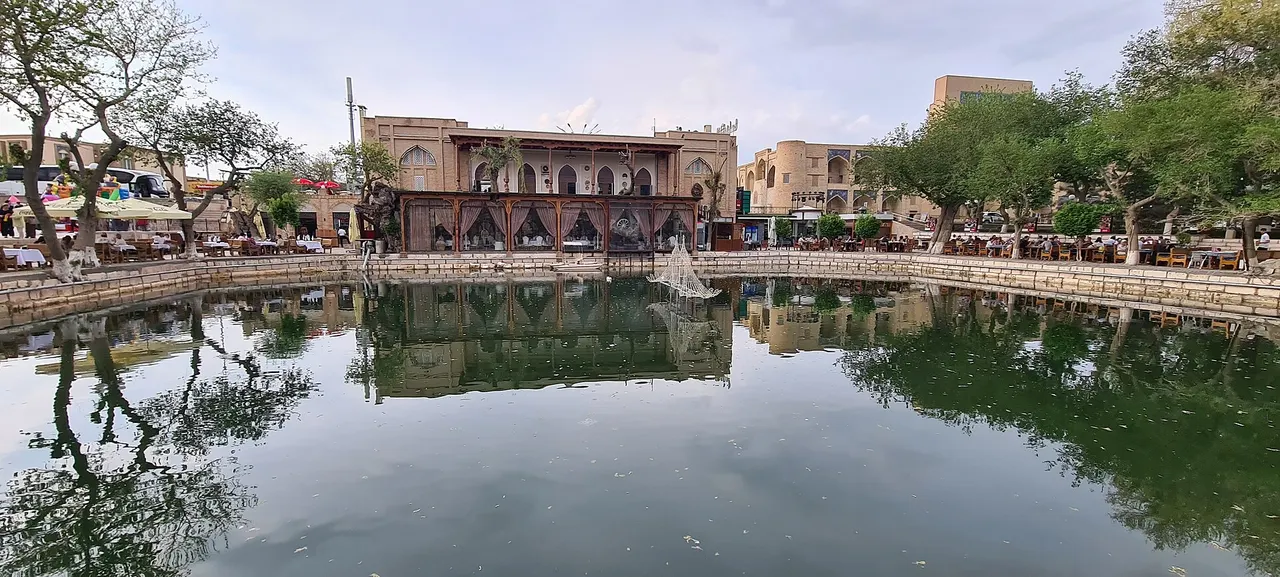
Labi Hovuz Ensemble © BeshevI, CC BY-SA 4.0

13. Labi Hovuz Ensemble

The social heart of Bukhara, around a 17th-century pond shaded by mulberry trees. It is framed by the Kukeldash Madrasah, the Nadir Divan-begi Madrasah and a Sufi khanaka, with lakeside cafés and the statue of Hodja Nasreddin.

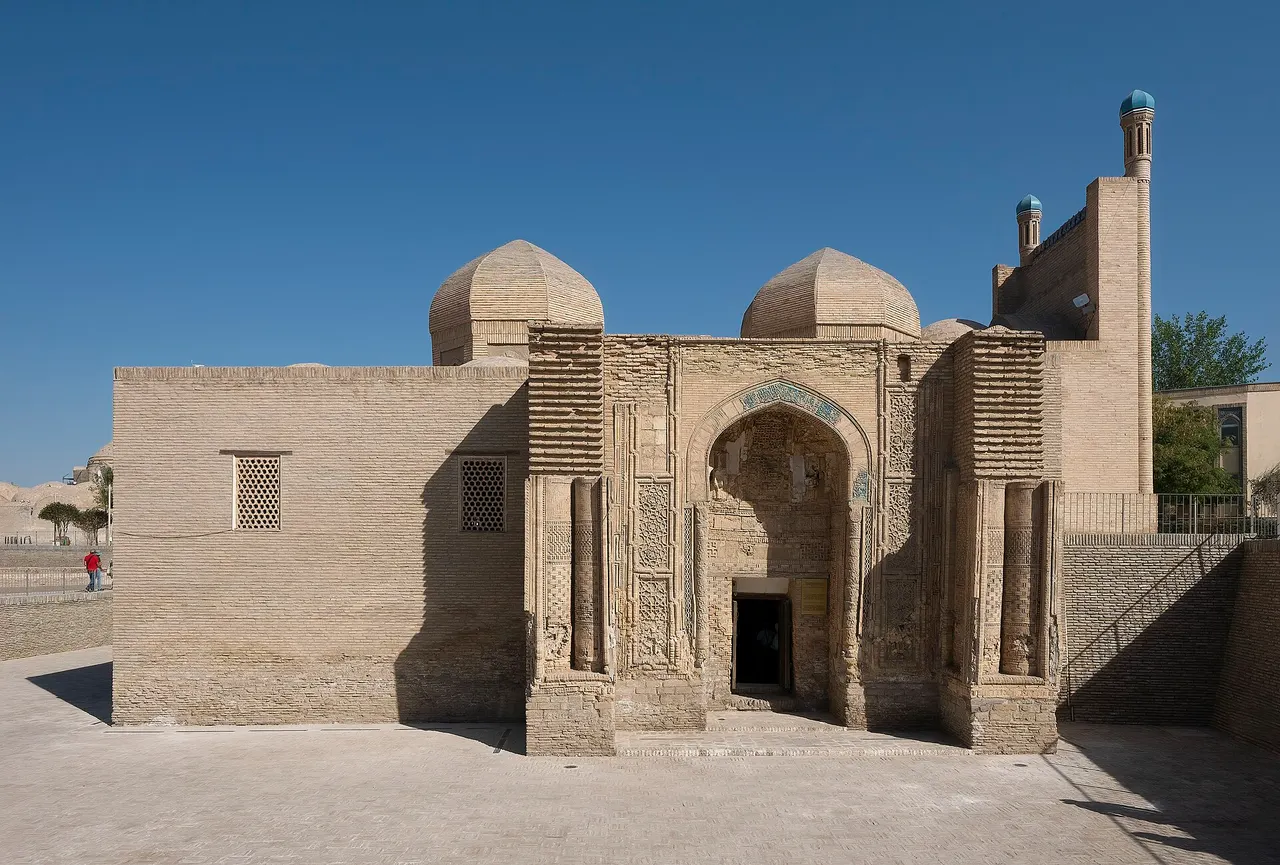
Magoki Attari Mosque © Petar Milošević, CC BY-SA 4.0
Ziyarat Mosque

14. Magoki Attari Mosque

Dating from the 9th–12th centuries, it is celebrated as the oldest surviving mosque in Central Asia.

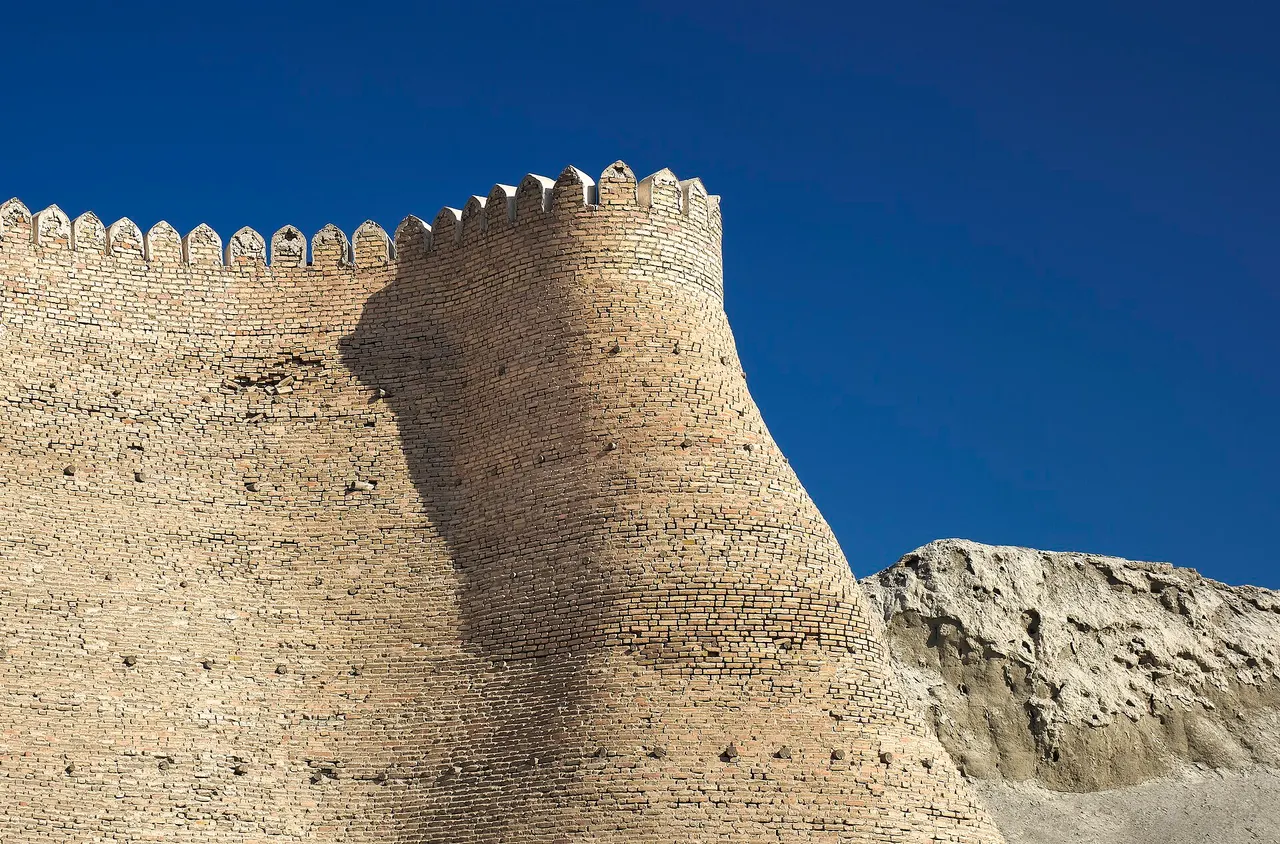
Ark Fortress © Petar Milošević, CC BY-SA 4.0

15. Ark Fortress

A massive fortress and the oldest structure in the city, once a royal city-within-a-city for the Emirs of Bukhara; today it is a history museum.

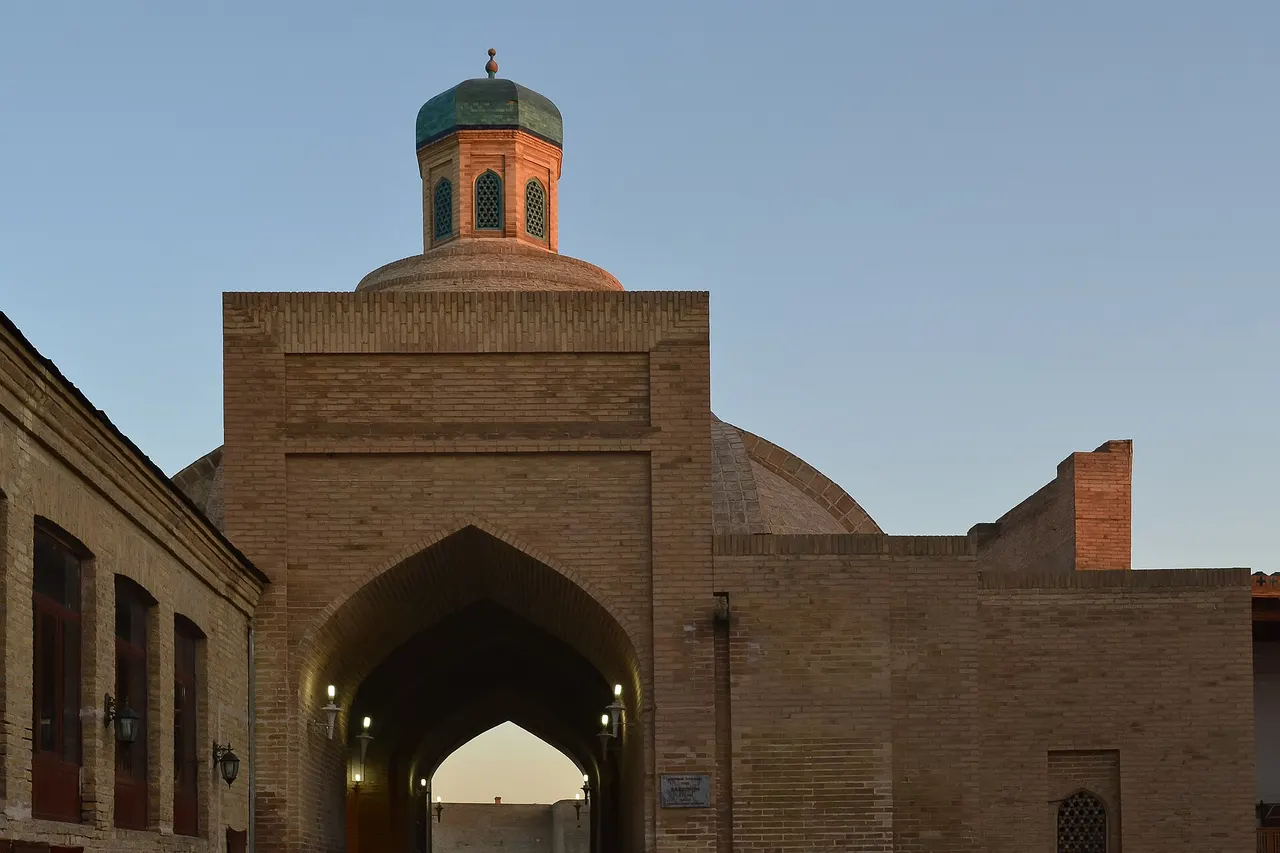
Trading Domes © Arina Pan, CC BY-SA 4.0

16. Trading Domes

Toqi Zargaron, Telpakfurushon, Sarrofon

A network of 16th-century covered bazaars built at the crossroads of the Silk Road.

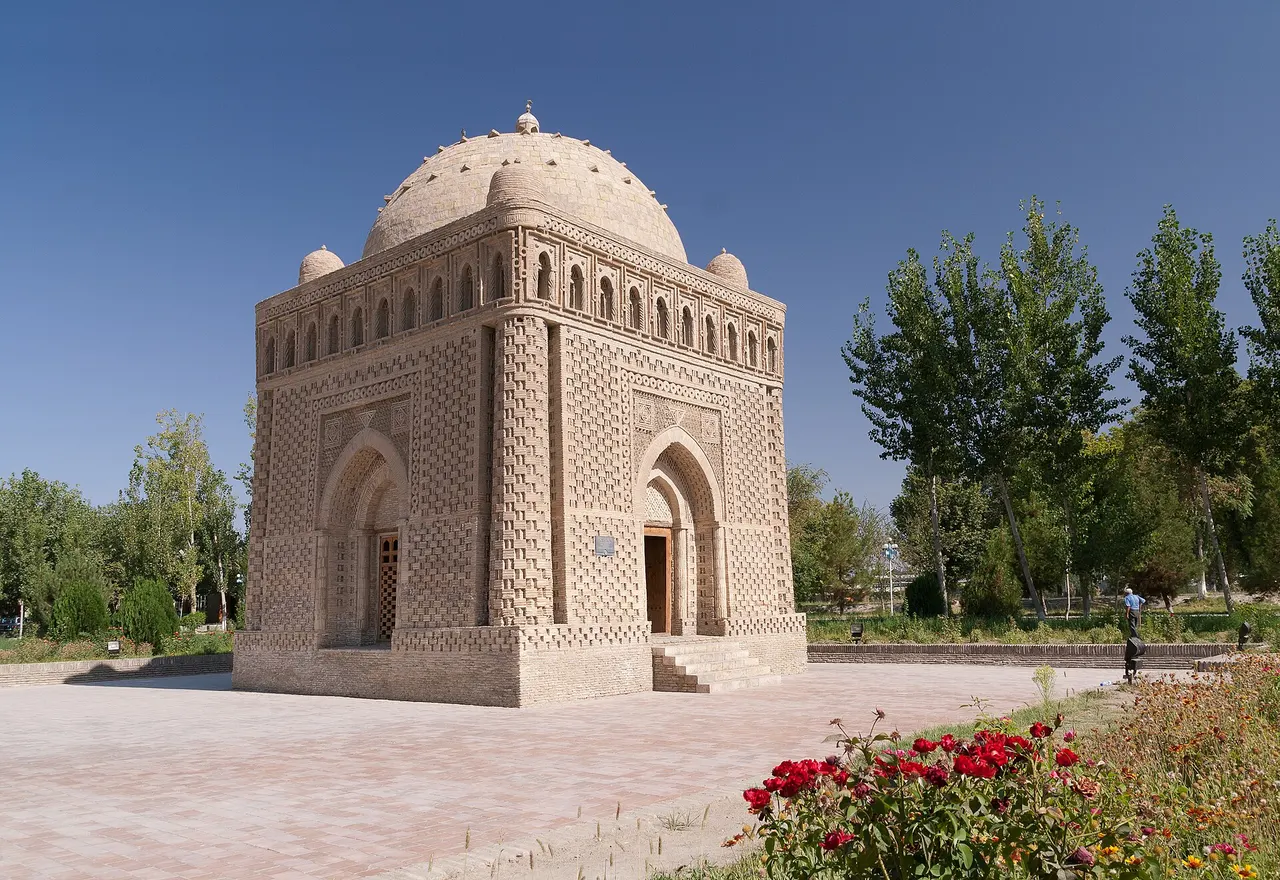
Samanid Mausoleum © Hylgeriak / Wikipedia, CC BY-SA 3.0

17. Samanid Mausoleum

A 10th-century masterpiece and the oldest surviving Islamic monument in Central Asia.

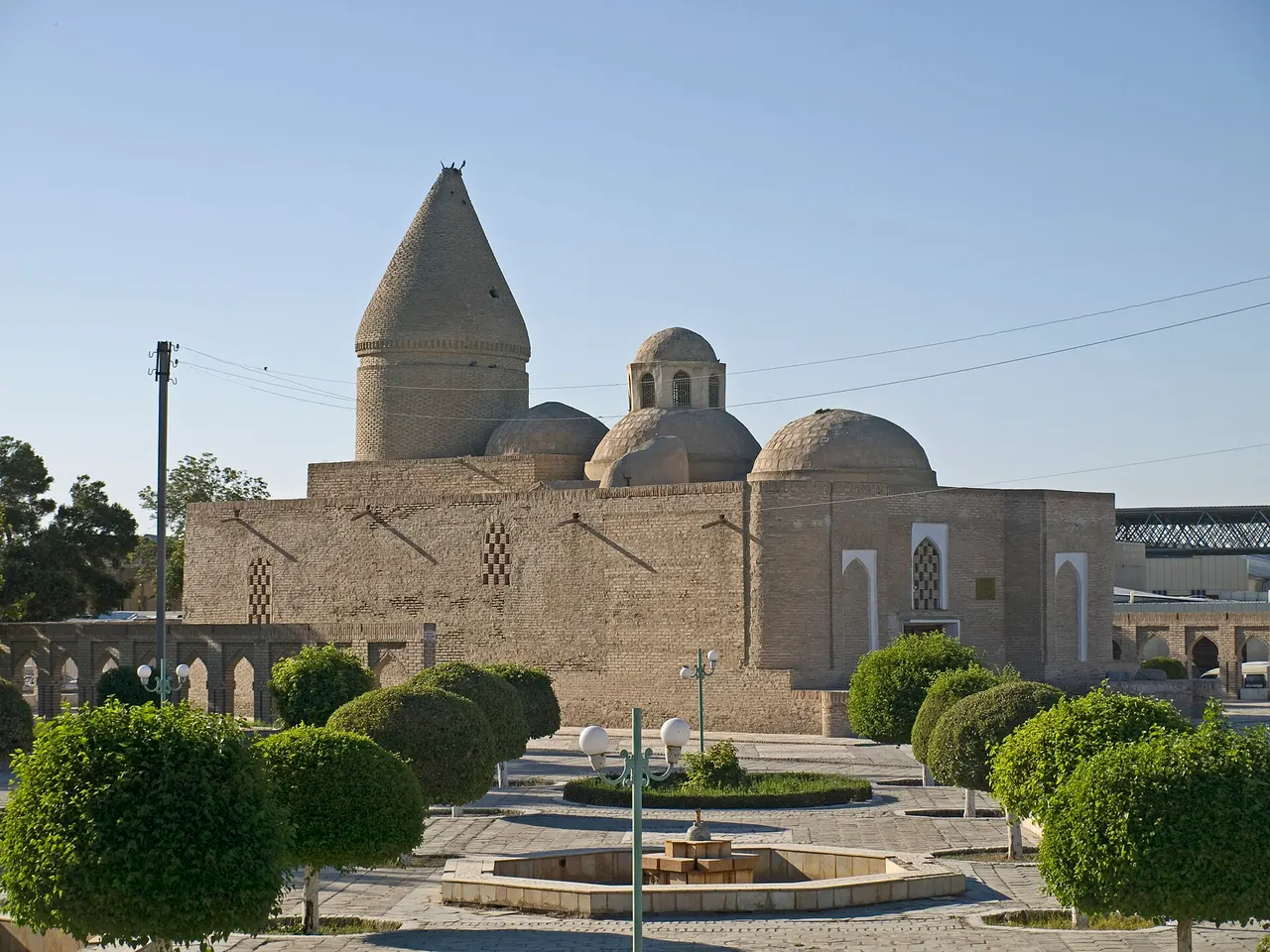
Chashmai Ayub Mausoleum © Ymblanter, CC BY-SA 4.0
Ziyarat

18. Chashmai Ayub Mausoleum

"Job's Spring" — a sacred site built between the 12th and 16th centuries, with a conical dome that is rare in Central Asian architecture.

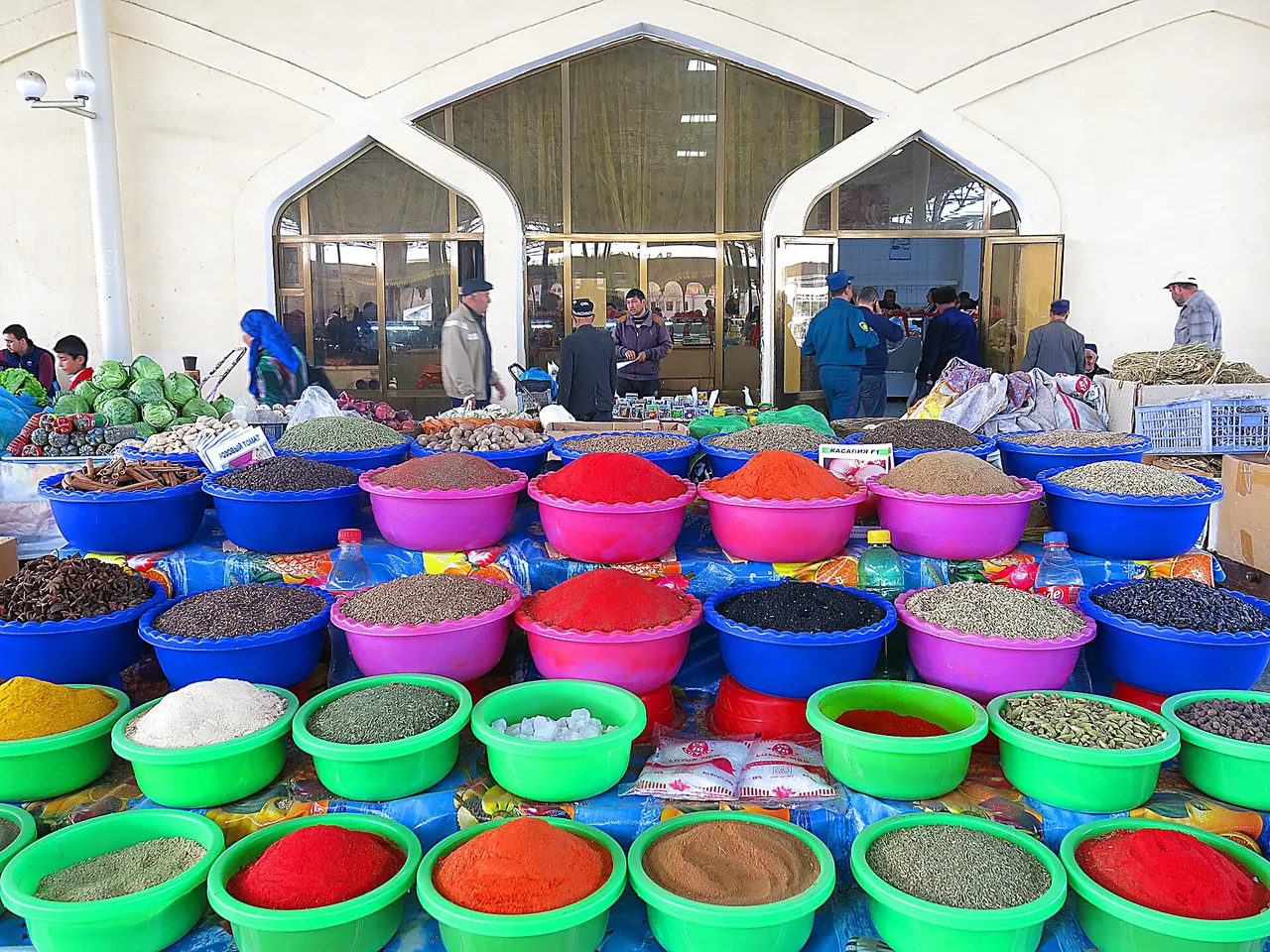
Kolkhoz Bazaar © Enric, CC BY-SA 4.0

19. Kolkhoz Bazaar

Bukhara's traditional dried fruit market.

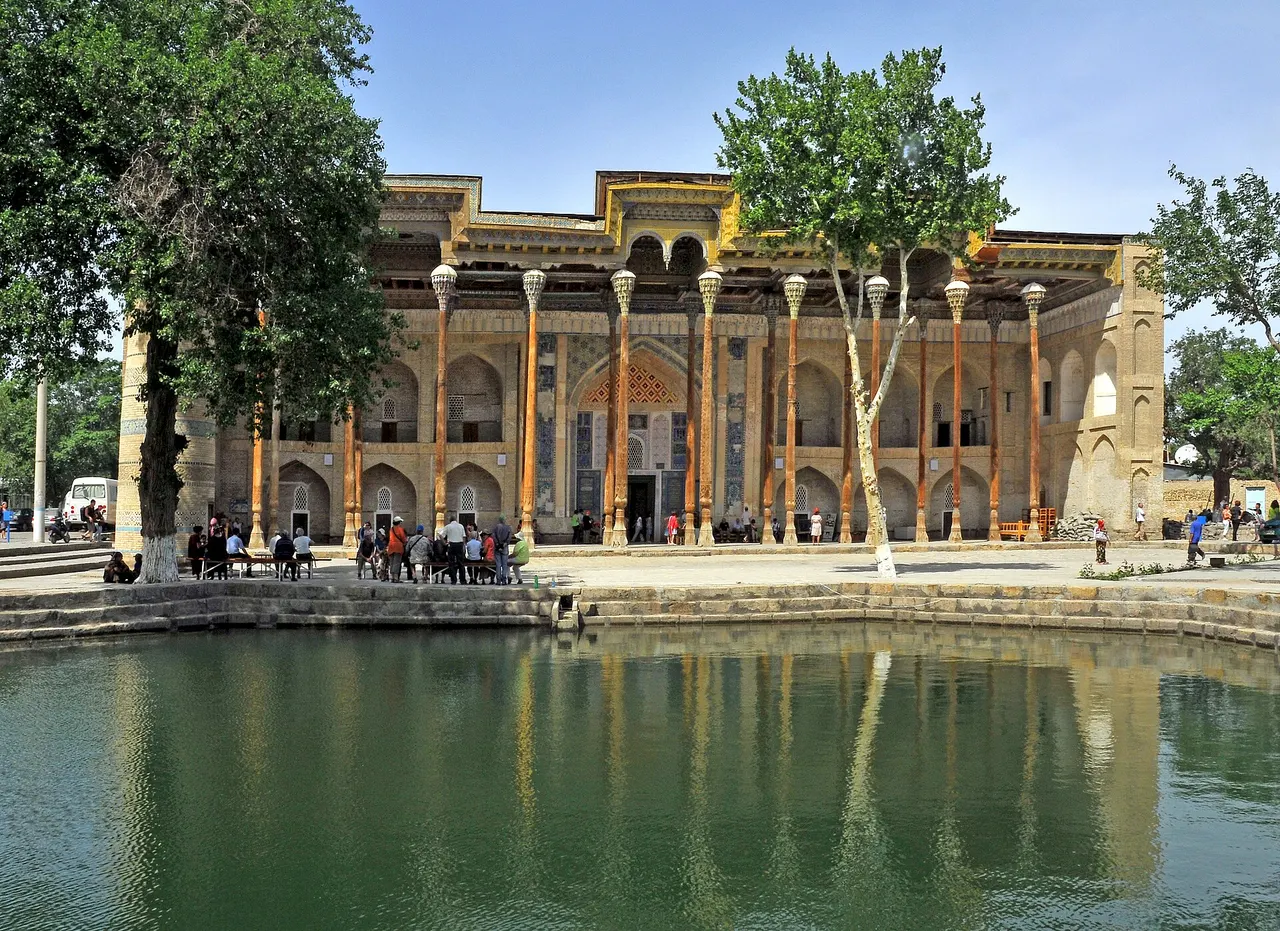
Bolo Hauz Mosque © LBM1948, CC BY-SA 4.0
Ziyarat Mosque

20. Bolo Hauz Mosque

A Friday mosque built in 1712 opposite the Ark, famous for its veranda (ayvan) with 20 carved wooden pillars reflected in the pond.

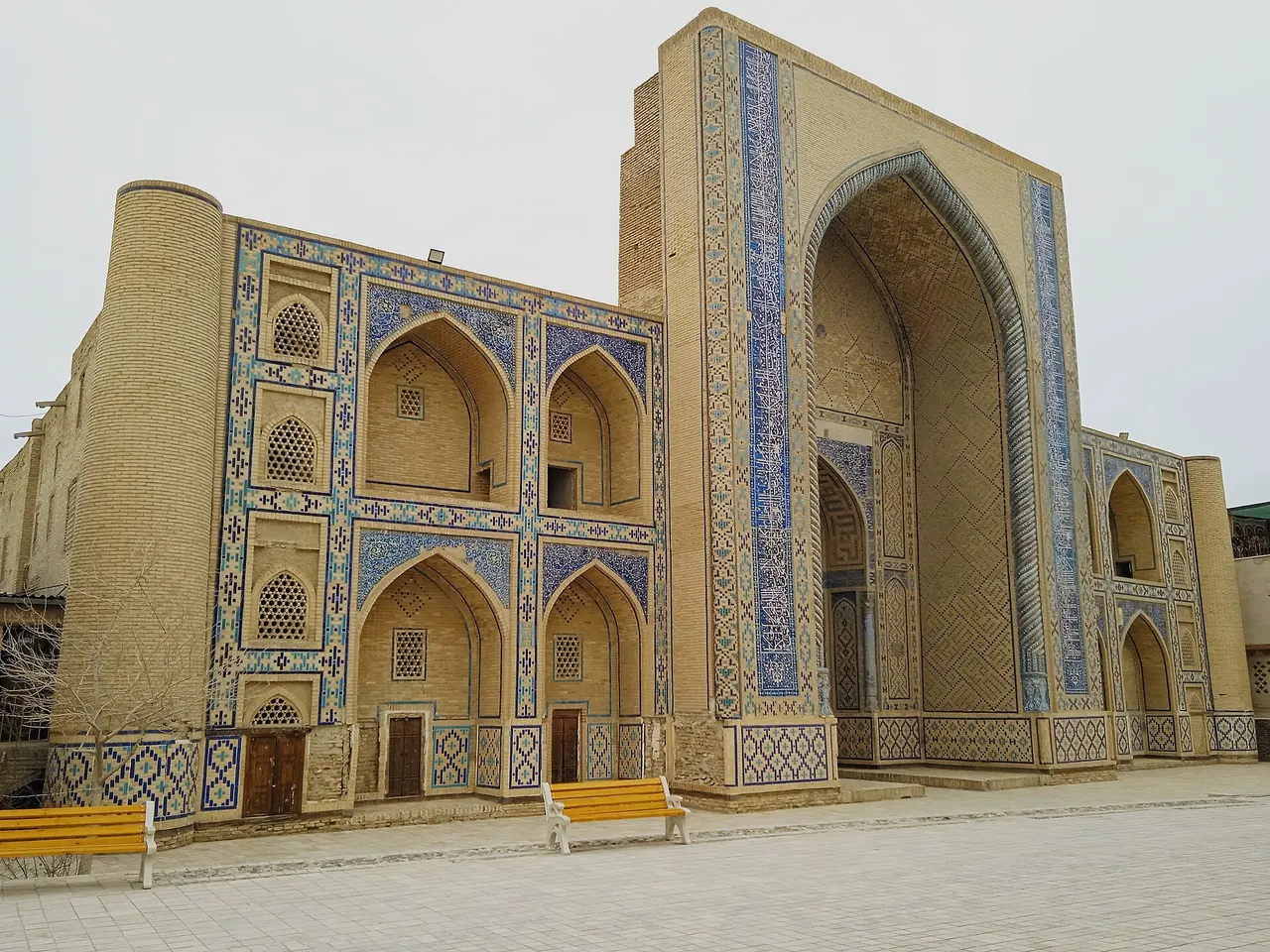
Ulugbek Madrasah © St. Christofor, CC BY-SA 4.0

21. Ulugbek Madrasah

Built in 1417 by the astronomer-king Ulugh Beg, grandson of Amir Temur; the oldest surviving madrasah in Central Asia.

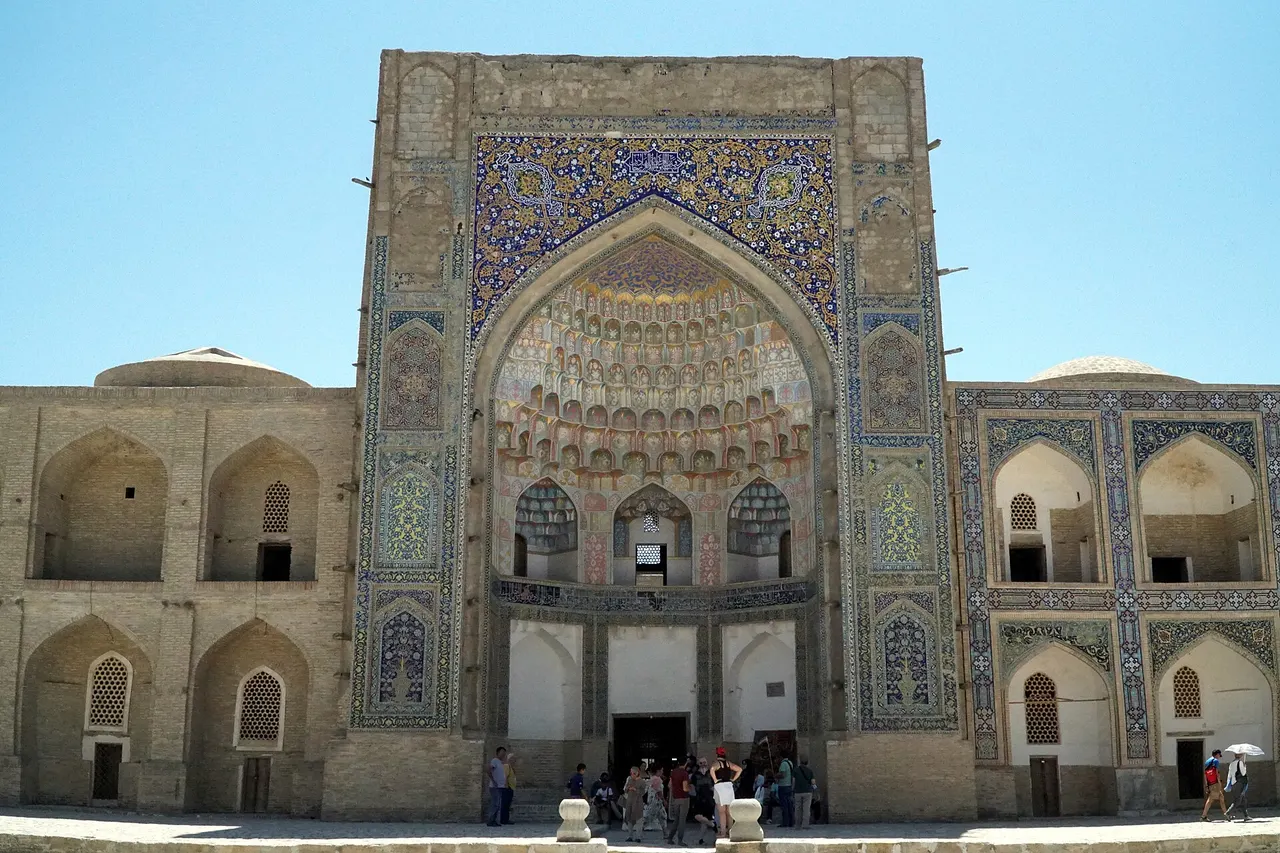
Abdulaziz Khan Madrasah © Adam Harangozó, CC BY-SA 4.0

22. Abdulaziz Khan Madrasah

Built in 1652 directly opposite the Ulugbek Madrasah, forming a classic architectural pair (kosh) — a peak of late medieval Bukhara craftsmanship.

Sitorai Mohi-Khosa Palace © Bernard Gagnon, CC0

23. Sitorai Mohi-Khosa Palace

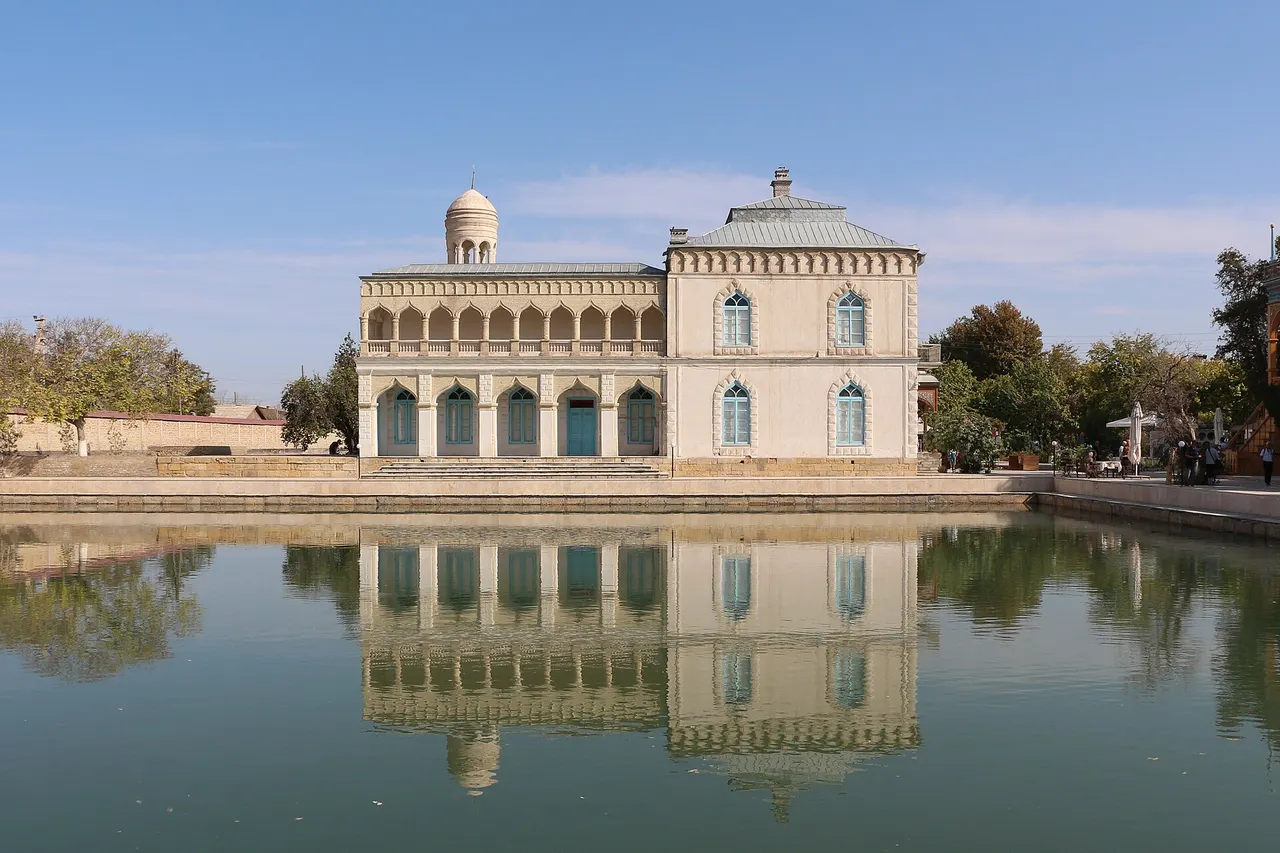
The summer residence of the last Emir of Bukhara (early 20th century), blending Russian imperial and Uzbek styles, with gardens where peacocks roam.

Bahauddin Naqshband Complex © Bgag, CC0
Ziyarat

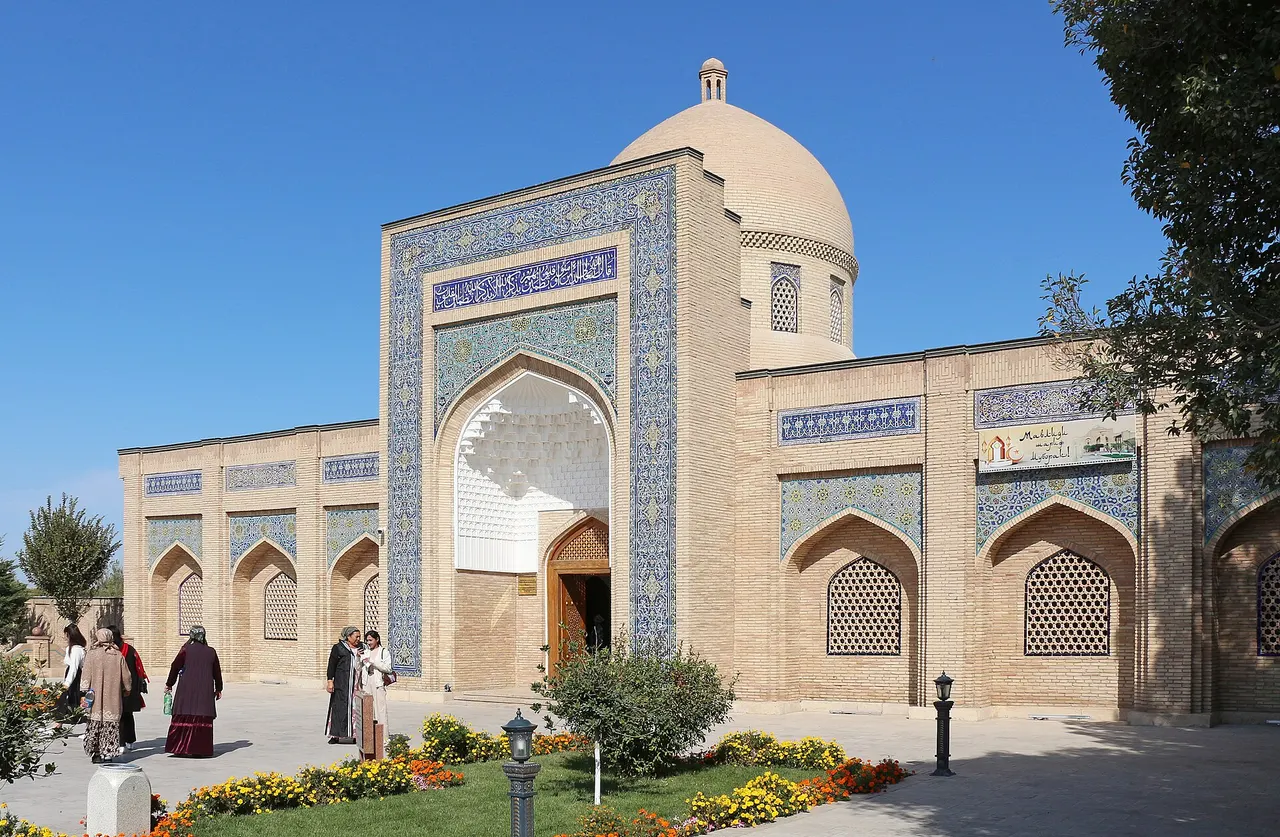
24. Bahauddin Naqshband Complex

One of the most sacred Sufi places of ziyarat in the Islamic world, just outside Bukhara: the resting place of Hazrat Bahauddin Naqshband (1318–1389), founder of the Naqshbandi order, known for the saying "Heart with God, hands at work".